
Embracing the Golden Thread: Confidently Navigating the Building Safety Act
The Building Safety Act (BSA) was introduced following the tragic Grenfell Tower fire, which exposed significant shortcomings in building safety standards and regulatory enforcement. The Act prioritises safety, establishes clear liability, and mandates compliance with stringent new standards to address these systemic issues and ensure safer practices across the construction industry.
At the core of this legislation lies the Golden Thread, a digital-first framework for managing safety-critical information across a building’s lifecycle. Beyond compliance, embracing the Golden Thread offers businesses a chance to modernise operations, reduce risks, and build trust with stakeholders.
What is the Building Safety Act (BSA)?
The Building Safety Act (BSA) is a piece of UK legislation that addresses critical failings in building safety, introducing measures to ensure greater transparency, accountability, and resident safety. It applies primarily to high-risk buildings – defined as residential properties over 18 metres or seven storeys – but its principles resonate across the industry.
Key Provisions:
- Accountability: Duty holders, such as principal designers, contractors, and building owners, must ensure safety standards are met and are liable if they aren’t.
- Resident Engagement: Occupants have a legal right to request and access accurate and up-to-date safety information.
- Mandatory Reporting: For higher-risk buildings, comprehensive safety case reports must be produced and maintained, demonstrating risk management.
- Mandatory Compliance: Failure to meet BSA requirements can lead to reputational damage, fines, and criminal charges.
What is the Golden Thread?
The Golden Thread is a continuous, interconnected flow of information that weaves through a building’s lifecycle from conception to demolition. It mandates the creation and maintenance of a single and accurate source of safety-critical information that encompasses everyone involved in the project - from architects to contractors to building operators.
Why does the Golden Thread matter?
The Golden Thread ensures that safety-critical information remains readily available and accurate throughout the building's lifecycle, from pre-construction to ongoing operation. It establishes a framework that enables consistent oversight of building documentation, including design specifications, fire safety measures, construction details, and maintenance records.
Benefits of the Golden Thread
- Preventing Catastrophes: Inaccurate or inaccessible safety data can lead to design flaws, maintenance errors, or delayed emergency responses.
- Lifecycle Management: From planning to demolition, the Golden Thread ensures consistent oversight and accountability
- Ease of Access: Regulatory bodies and residents can quickly access safety information when needed
The risks of non-compliance
Failure to comply with the BSA’s requirements are far-reaching, impacting safety, finances, and reputation.
Safety
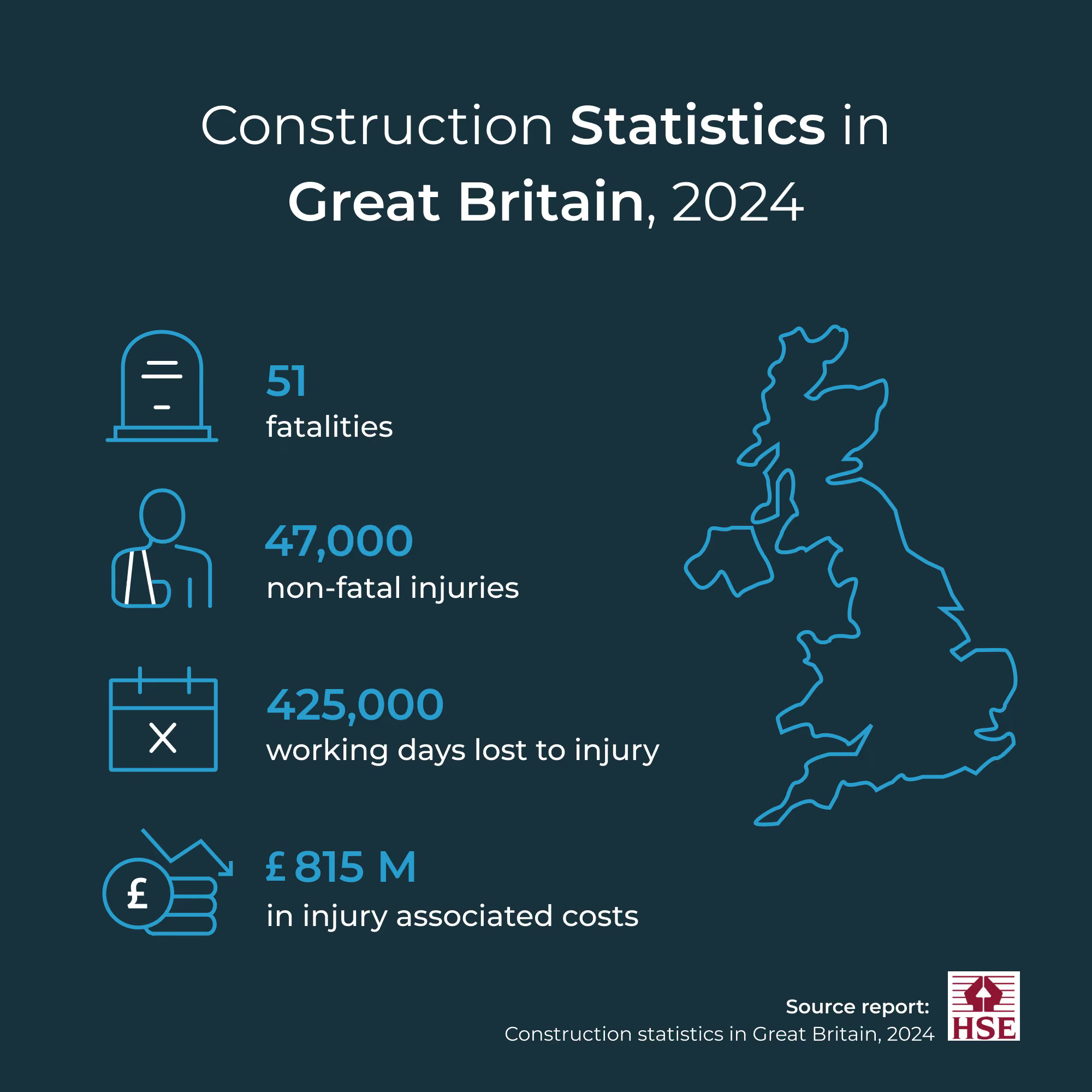
According to the Health and Safety Executive’s (HSE) 2024 Construction Statistics report, the past year saw 51 fatalities and an average of 47,000 injuries annually over the last three years.
Finances
Injury-related expenses alone amount to £815 million annually, directly impacting bottom lines. Individuals and organisations may face also unlimited financial penalties for breaches of the BSA.
Reputation
Failure to comply can result in project delays, costly legal action, and severe reputational damage, adding to the challenge of winning future projects or attracting investment.
Beyond the financial and professional consequences, those found responsible for non-compliance may face imprisonment for up to two years, further underscoring the seriousness of adhering to safety regulations.
Who is accountable?
The BSA clearly defines who is responsible for safety at every stage of a construction project. Whether the design, the build, or ongoing maintenance, each party has a critical role in ensuring compliance and safeguarding.
- Designers and Contractors: Responsible for ensuring safety during design and construction phases.
- Building Owners: Must maintain and provide access to the Golden Thread throughout the building's lifecycle.
- Principal Duty Holders: Can face fines, bans from future projects, or even criminal charges if safety failures occur.
Challenges in implementing the Golden Thread
The construction industry has historically lagged in digital transformation, often relying on manual and disjointed systems. As a result, implementing the Golden Thread is presenting challenges for many businesses, including:
- Fragmented Processes: Many organisations rely on disconnected tools and outdated methods, making it difficult to maintain an accurate record.
- Complex Stakeholder Management: With multiple teams and contractors involved, ensuring consistent communication can be a logistical challenge.
- Inadequate Systems for Compliance and Audits: Relying on paper-based processes makes it nearly impossible to meet modern safety requirements effectively or retrieve accurate records during audits or investigations. Businesses need a robust digital approach to ensure compliance, maintain traceability, and provide a reliable record when it matters most.
How SIMPEL helps overcome these challenges
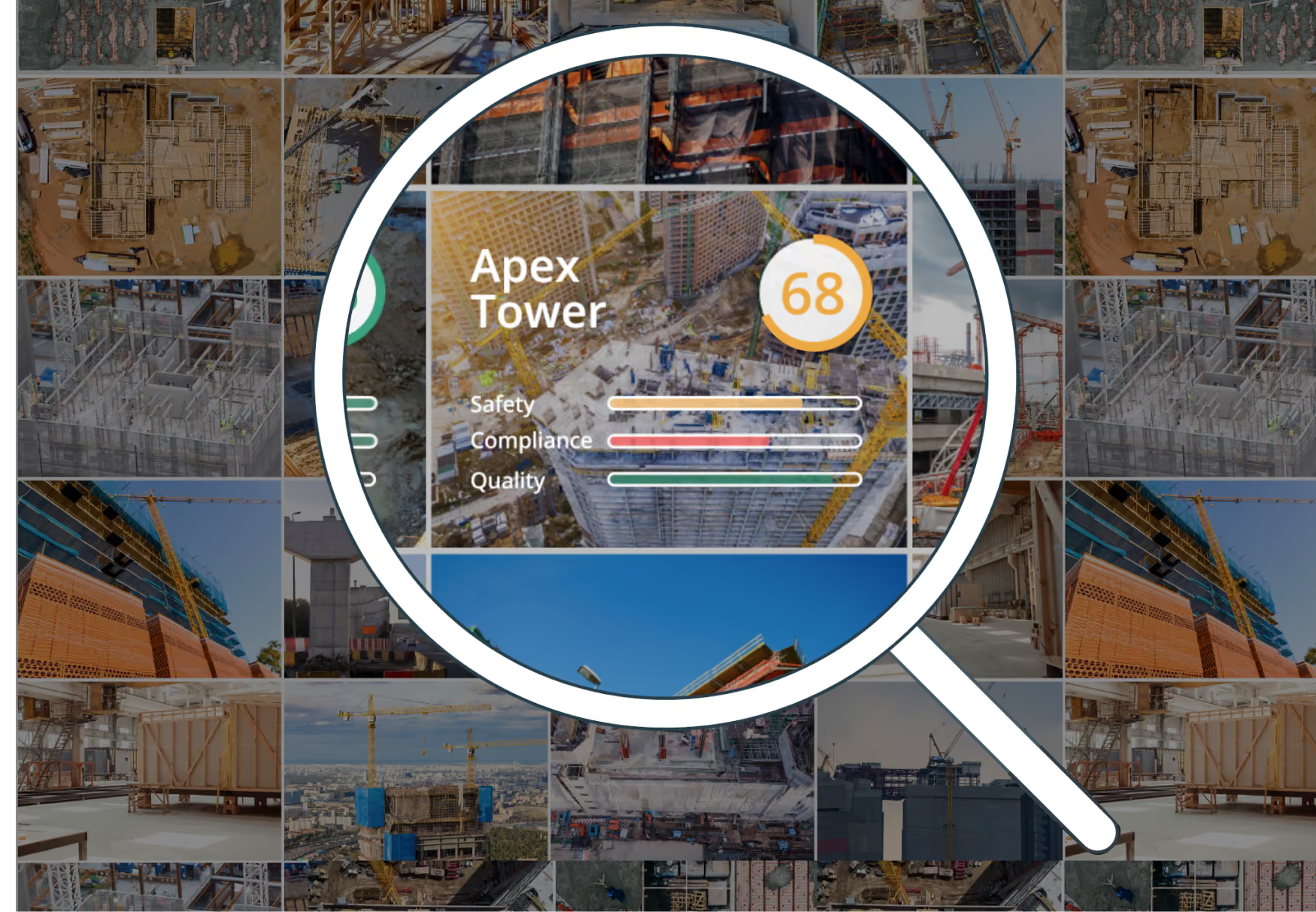
SIMPEL's platform is designed to address these issues head-on, offering an intuitive, digital solution that supports compliance and streamlines operations with unmatched auditability.
- Centralised Document Management: SIMPEL provides a secure, unified repository for all design and safety-critical information, ensuring accuracy and accessibility at every stage.
- Real-Time Collaboration: All stakeholders can seamlessly share updates and track progress, reducing miscommunication and fostering alignment.
- Advanced Audit Trails: Comprehensive tracking features ensure transparency and compliance, making it easy to demonstrate adherence to regulations.
- Customisable Workflows: SIMPEL adapts to your unique project needs, helping you manage compliance without disrupting operations.
- Proven Results: SIMPEL has already helped businesses mitigate design risk, improve safety compliance, avoid penalties, and reduce project delays – empowering teams to focus on successful delivery.
The urgent need for action
The Building Safety Act is not just a legislative requirement; it is a call to action for the construction industry to modernise and prioritise safety. The risks of non-compliance – from financial penalties to reputational damage – are too significant to ignore. Simpel is here to help. By integrating SIMPEL's platform into your operations, you can ensure compliance, improve safety outcomes, and future-proof your business.
Take the first step towards safer, smarter construction. to explore how SIMPEL can support your journey to compliance.

Sign up to Simpel's Newsletter
A quick read with our latest news, blogs, recent software releases, and big company updates