
Ahead of Hazards: How HSE Observations and Actions Keep Construction Site Safety on Track
Sign in
✕
  • Platform
    • Platform Overview
    • Project Dashboards
    • Simpel Essentials
    • Quality Management
    • HSE Management
    • Site Access
    • Bookings and Warehousing
    • Reporting and Analytics
  • Client Type
    • REITs & Developers
    • Contractors
    • Subcontractors
    • High Security Projects
  • Module Spotlight
    • Simpel Passport – Profile Management
    • Document Management
    • QR Docs – Scan onsite
    • QTrack – QA Inspections
    • Drawing Collaboration
  • Switch to Simpel
  • Resources
    • Case Studies & News
    • White Papers
    • Blog
  • Careers
  • Support
Simpel_Reversed_Sticky_Header
  • Platform
    • Platform Overview
    • Project Dashboards
    • Simpel Essentials
    • Quality Management
    • HSE Management
    • Site Access
    • Bookings and Warehousing
    • Reporting and Analytics
  • Client Type
    • REITs & Developers
    • Contractors
    • Subcontractors
    • High Security Projects
  • Module Spotlight
    • Simpel Passport – Profile Management
    • Document Management
    • QR Docs – Scan onsite
    • QTrack – QA Inspections
    • Drawing Collaboration
  • Switch to Simpel
  • Resources
    • Case Studies & News
    • White Papers
    • Blog
  • Careers
  • Support
Book a demo
Sign in
✕
  • Platform
    • Platform Overview
    • Project Dashboards
    • Simpel Essentials
    • Quality Management
    • HSE Management
    • Site Access
    • Bookings and Warehousing
    • Reporting and Analytics
  • Client Type
    • REITs & Developers
    • Contractors
    • Subcontractors
    • High Security Projects
  • Module Spotlight
    • Simpel Passport – Profile Management
    • Document Management
    • QR Docs – Scan onsite
    • QTrack – QA Inspections
    • Drawing Collaboration
  • Switch to Simpel
  • Resources
    • Case Studies & News
    • White Papers
    • Blog
  • Careers
  • Support
✕
  • Platform
    • Platform Overview
    • Project Dashboards
    • Simpel Essentials
    • Quality Management
    • HSE Management
    • Site Access
    • Bookings and Warehousing
    • Reporting and Analytics
  • Client Type
    • REITs & Developers
    • Contractors
    • Subcontractors
    • High Security Projects
  • Module Spotlight
    • Simpel Passport – Profile Management
    • Document Management
    • QR Docs – Scan onsite
    • QTrack – QA Inspections
    • Drawing Collaboration
  • Switch to Simpel
  • Resources
    • Case Studies & News
    • White Papers
    • Blog
  • Careers
  • Support
SAFETY MANAGEMENT, HSE OBSERVATIONS & ACTIONS

Staying Ahead of Hazards: How HSE Observations Keep Construction Site Safety on Track

SAFETY MANAGEMENT, HSE OBSERVATIONS & ACTIONS

Staying Ahead of Hazards: How HSE Observations Keep Construction Site Safety on Track

Ebony Middleton | Published on 24 March 2026

Two construction workers in high-visibility vests and hard hats on an active construction site, one pointing out a hazard while the other logs it on a smartphone, demonstrating real-time HSE observation and construction site safety practices.

It only takes one missed hazard for a routine day to turn into a day of incident management.

On a construction site, conditions don't wait for the next scheduled inspection. Trades move, materials shift, access changes, and the controls that were adequate at the start of the day don't always hold by the end of it. Small risks accumulate quickly, and the difference between catching them early and managing the consequences later comes down to whether they're captured while there's still time to act.

The people who see risk first aren’t always the ones who manage them

Procedures, inductions, and daily check-ins like prestarts set a baseline for how a site should operate. But that baseline captures the site as it was, not as it is.

It's the people on the ground who notice risks first: a handrail that's worked loose, a trip hazard that appeared when a pallet moved, a control measure that's no longer fit for current conditions. They're seeing the site as it actually is, in real time.

Spotting something and formally recording it, though, are two very different acts. The harder it is to raise an observation, the more likely a site is to find out about a hazard after it's already caused a problem.
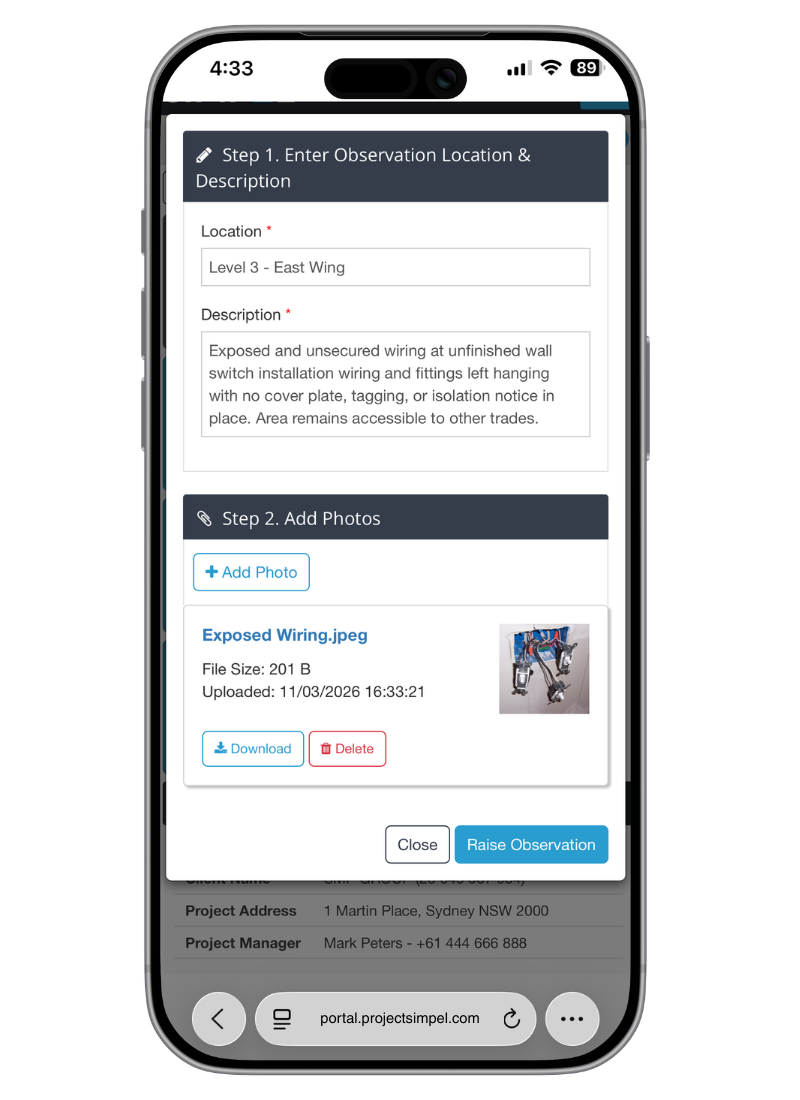
Simpel mobile observation form showing location, hazard description, and photo upload for construction site safety reporting.

Construction site safety breaks down between spotting a hazard and acting on it

Once something's been noticed, the work of staying ahead of it begins. But construction sites aren't fixed workplaces where the person who spots an issue can walk it down the hall to whoever needs to act on it. Supervisors are moving between locations, subcontractors rotate, and the people with authority to assign corrective action often aren't anywhere near the person who raised the concern.

That distance is what makes structured handover vital. Without a defined digital pathway, it relies on memory, goodwill, and proximity, none of which are reliable conditions on a live site. Status stays invisible, responsibility stays informal, and by the time an issue surfaces again, the site's already behind it.

Patterns reveal where attention is needed

A single observation can usually be addressed in isolation. But when the same issue keeps surfacing across locations, activities, or subcontractors, it's a signal that something systemic needs attention, and that's only visible if observations are being consistently captured and actioned. That means tracking:

  • Recurring issues by type
  • Repeated locations
  • Patterns linked to specific activities or subcontractors

With that data, it's possible to see where conditions are breaking down before the next incident makes it unavoidable. That's what moves safety management from reactive to anticipatory: not just fixing what's already gone wrong, but understanding where the next problem is most likely to come from.

Safety culture is built observation by observation

When observations are visibly actioned, the site's relationship with risk starts to shift. Subbies raise concerns knowing they'll be addressed. Supervisors can trust the site's operating within defined standards. And rather than managing incidents as they emerge, issues get resolved before they've had the chance to escalate.

That shift doesn't happen through policy alone. It happens when the people on the ground see that what they raise gets taken seriously, and that the site responds the same way regardless of who's watching.
Turning HSE observations into action with Simpel

Raise HSE observations in real time

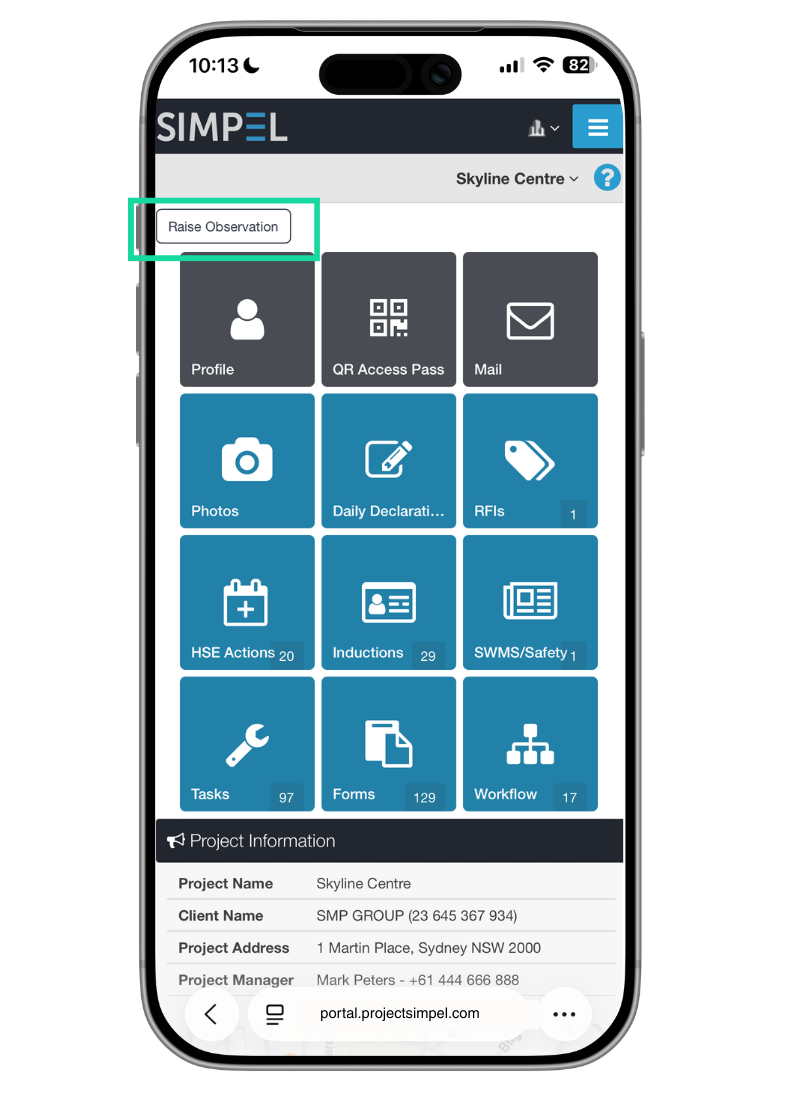
The HSE observation button is the first thing subcontractors see when they log into Simpel, so raising a hazard or concern takes seconds. Anyone onsite can submit an observation with a title, location, and photo attachment, capturing issues while they’re still fresh rather than relying on recall later in the day.

Review, categorise, and assess

Once an observation is submitted, nominated persons are notified automatically. They can set the observation type and severity, which are customised a an organisation level, leave a note, and determine whether the risk has been adequately controlled or needs to be escalated. Having that information categorised consistently means nothing gets lost in a inbox or forgotten in a conversation.

Turn observations into actions and monitor status

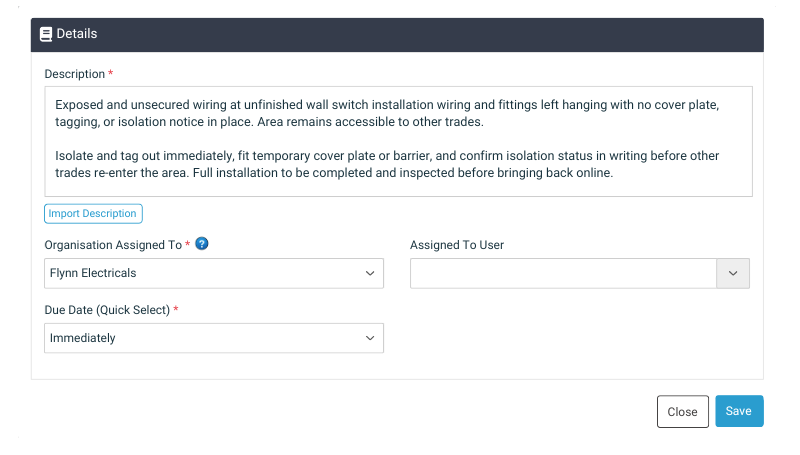
Where a risk requires resolution, a HSE Action can be raised directly from the observation. Assign it a description, due date, and responsible organisation, or a specific individual, without jumping between systems or making phone calls. Every action sits against the original observation, so there's a clear record of what was identified, what was done, and when.

See patterns across sites and subcontractors

The HSE Observation Dashboard provides visual insight into recurring issues by type and subcontractor, supporting targeted intervention and longer-term safety planning.

Simpel mobile dashboard with “Raise Observation” button used to report construction site safety hazards.
Simpel HSE observation action form assigning electrical safety issue to contractor with description, responsible organisation, and due date fields.

Turning HSE observations into action with Simpel

Raise HSE observations in real time

The HSE observation button is the first thing subcontractors see when they log into Simpel, so raising a hazard or concern takes seconds. Anyone onsite can submit an observation with a title, location, and photo attachment, capturing issues while they’re still fresh rather than relying on recall later in the day.

Review, categorise, and assess

Once an observation is submitted, nominated persons are notified automatically. They can set the observation type and severity, which are customised a an organisation level, leave a note, and determine whether the risk has been adequately controlled or needs to be escalated. Having that information categorised consistently means nothing gets lost in a inbox or forgotten in a conversation.

Simpel mobile dashboard with “Raise Observation” button used to report construction site safety hazards.
Simpel HSE observation action form assigning electrical safety issue to contractor with description, responsible organisation, and due date fields.

Turn observations into actions and monitor status

Where a risk requires resolution, a HSE Action can be raised directly from the observation. Assign it a description, due date, and responsible organisation, or a specific individual, without jumping between systems or making phone calls. Every action sits against the original observation, so there's a clear record of what was identified, what was done, and when.

See patterns across sites and subcontractors

The HSE Observation Dashboard provides visual insight into recurring issues by type and subcontractor, supporting targeted intervention and longer-term safety planning.

Construction site safety keeps pace when observations become an embedded practice

Construction site safety isn't a fixed state. Every stage of a project brings new trades, new conditions, and new points of exposure. What determines how well a site handles that isn't the quality of its procedures on paper. It's whether the people on the ground can raise what they see and whether something actually happens as a result. When that loop closes consistently, hazards get resolved before they compound, patterns become visible before they become incidents, and safety stops being something that's managed after the fact.

See how Simpel embeds structured observation management into daily operations and transforms HSE observations into actionable insight.

Contact us for a demo

Frequently Asked Questions

How does unified construction site safety software support outcomes across an active site?

Unified construction site safety software provides a single place where safety information stays connected as work progresses. As conditions change, observations, actions, and outcomes remain linked, allowing safety management to reflect how the site is actually operating rather than relying on isolated records.

Why does a unified approach matter for construction site safety?

Construction site safety information is often spread across multiple tools, registers, and workflows. A unified approach keeps related safety data together, reducing fragmentation as tasks, locations, and responsibilities shift. This continuity makes it easier to maintain consistent safety practices across the life of a project.

How does construction site safety software help maintain consistency across projects and subcontractors?

By standardising how safety information is captured and tracked, construction site safety software supports a common approach across sites and work groups. This consistency helps maintain alignment as subcontractors change, projects scale, and conditions vary, without requiring separate systems or duplicated effort.

How do HSE observations and safety software support better decision-making on site?

Consistently recorded observations create a reliable picture of what’s happening across a site. Over time, they reveal where controls are holding and where conditions repeatedly shift, supporting more informed decisions around processes, inductions, and site planning.

Sign up to Simpel's Newsletter

A quick read with our latest news, blogs, recent software releases, and big company updates

Related news and articles

18 February 2026
Construction worker using an angle grinder to cut steel rebar with sparks flying at a job site, illustrating factors that can impact overall construction permit cost.

Construction Permits Cost More Than You Think: The Business Case for Digitising

Permits can easily be overlooked as ‘just another compliance chore’ but their impact on time, financials, and safety is undeniable. The reality is, safe work permits, carry hidden costs that are easy to miss.
26 November 2025
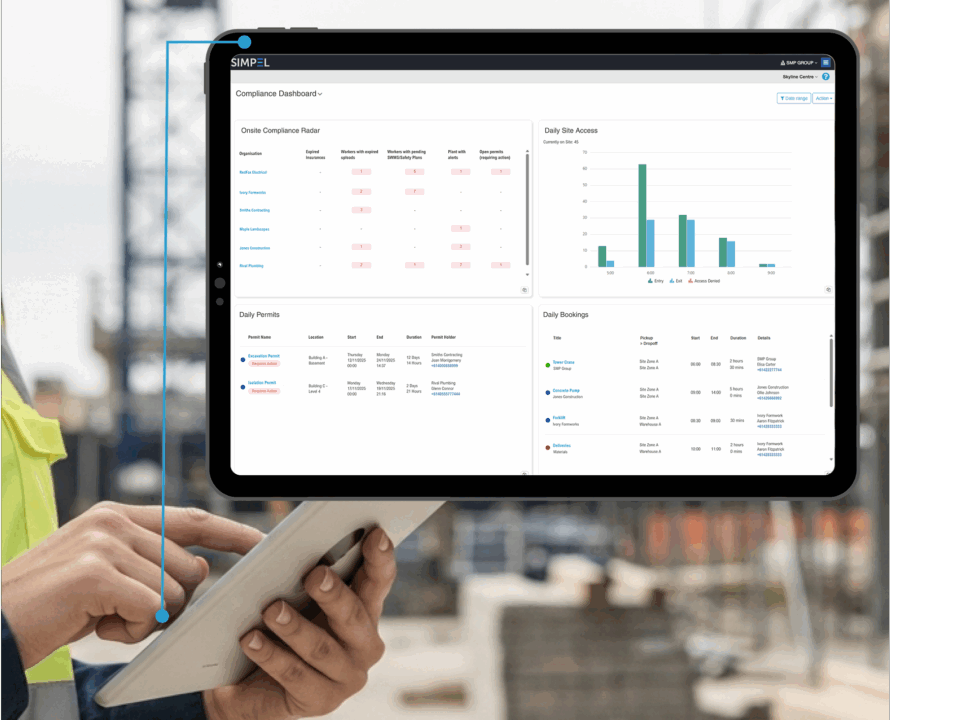
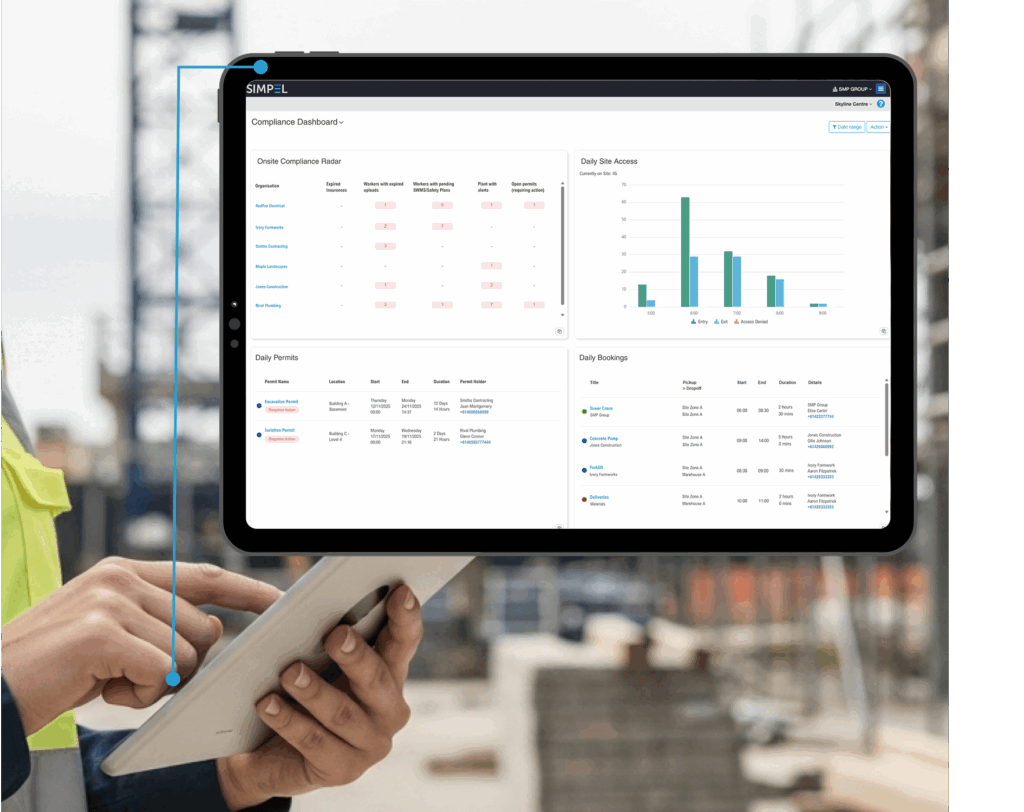
Tablet showing Simpel's Project Compliance Dashboard's being used on site by a contractor

Closing the Loop on Construction Compliance with Daily, Real-Time Controls

On any given day, a contractor can scan onto site with expired insurance. That’s not a risk of non-compliance, it is non-compliance. By employing daily compliance dashboards, organisations can quickly close the loop by tracking task owners, statuses, and supporting evidence all in one place.
30 September 2025
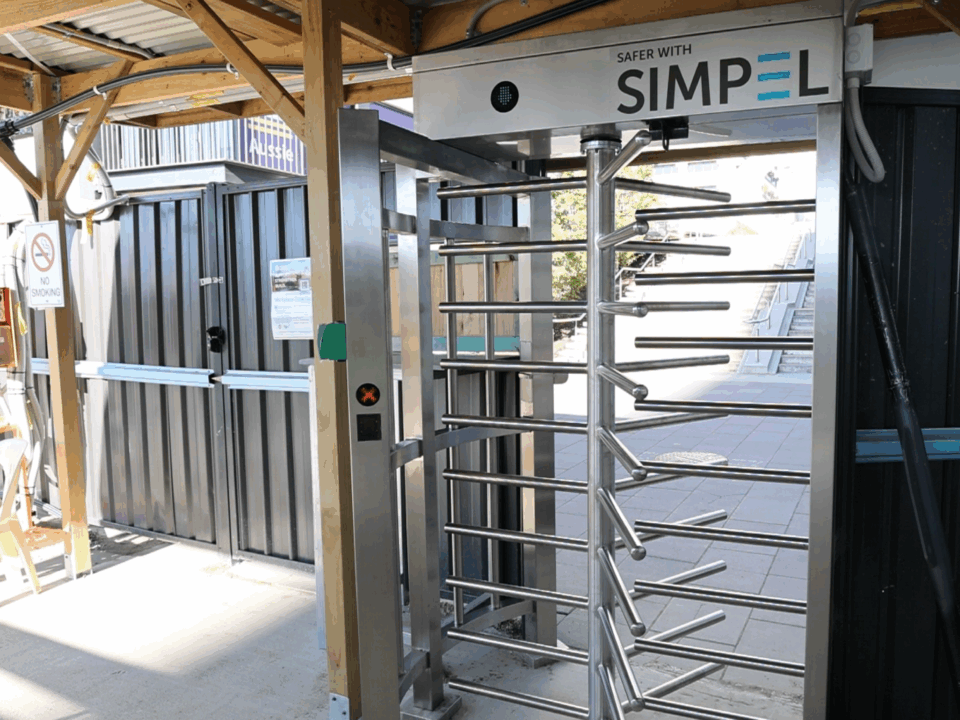
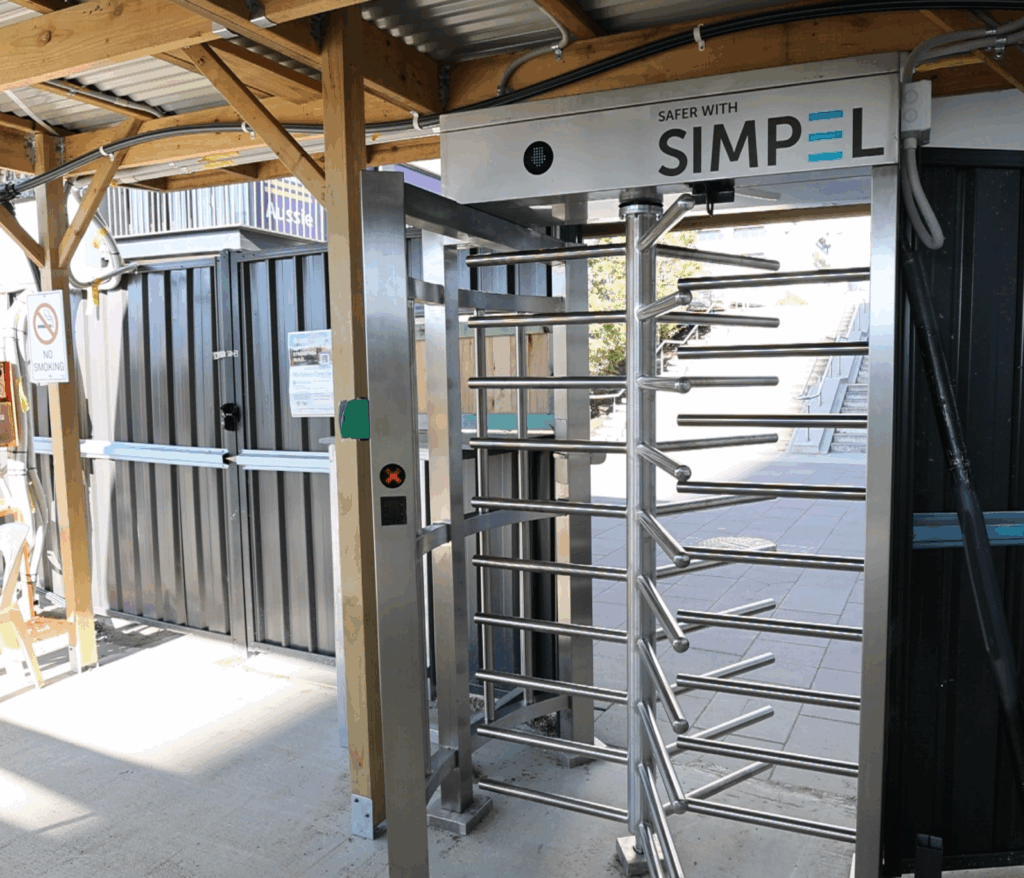
Simpel's proprietary site access turnstile installed and being utilised for construction site security

Fortifying Compliance: Next-Gen Site Security for Construction

If you can’t control access at the gate, you can’t control what happens beyond it. Your site access system should be verifying compliance in real-time. If it’s not, then your first line of defence is already compromised.
16 September 2025
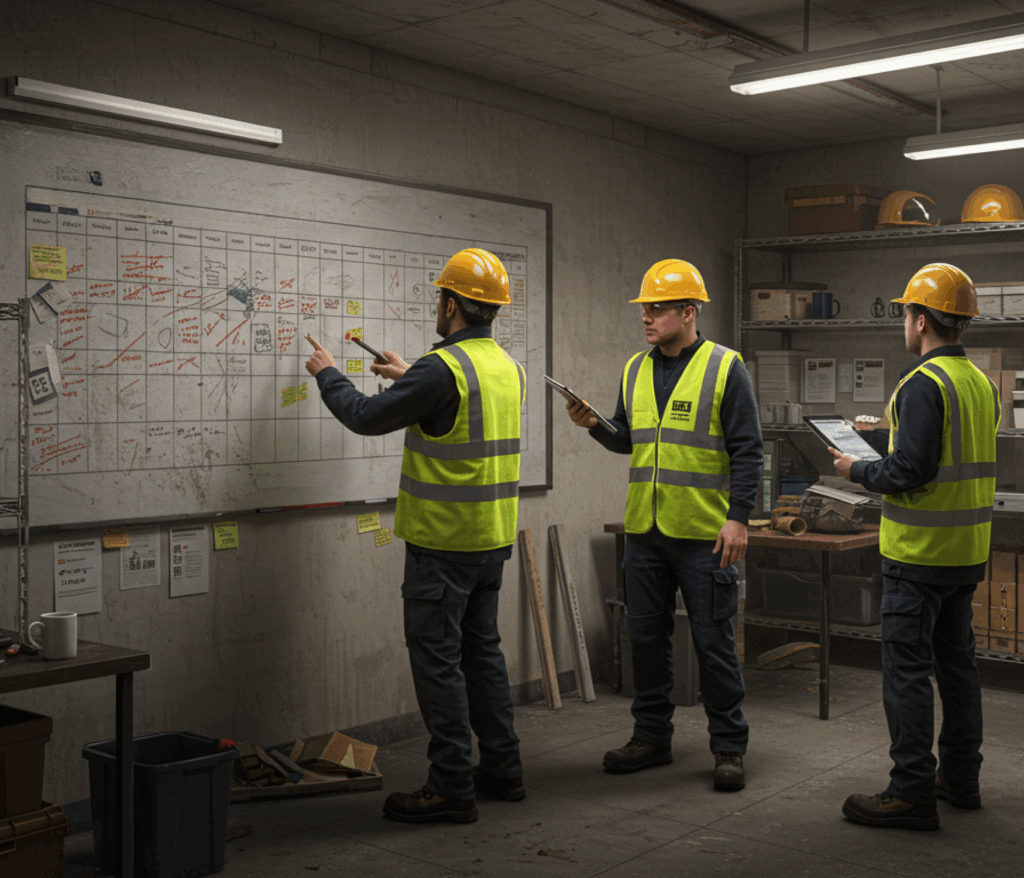
Three construction workers in a site office looking at a disorganised whiteboard

Ditching the Whiteboard: How Construction Scheduling Software Sets the Rhythm of Operations

The site whiteboard’s been doing its job for years but on a busy site it quickly becomes a static snapshot. Construction scheduling software bridges the gap, keeping everything in sync from early bookings to last minute changes.
9 September 2025
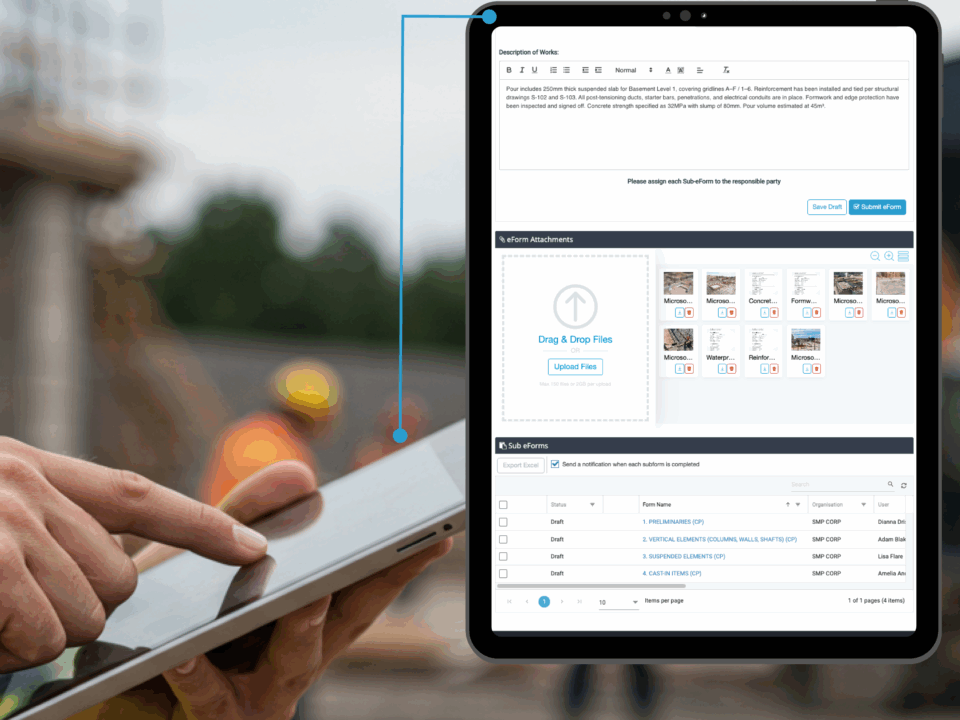
Construction worker in high vis using a tablet with a concrete pre-our ITP on Simpel overlay

Move Fast, Stay Compliant: Modernising ITP Construction Processes

ITPs do more than document progress; they govern it but most software struggles to keep pace. Modern ITP software makes the process live, reliable, and uncompromising.
26 August 2025
Workers onsite in yellow high-vis completing construction site inductions on their phones

Construction Site Inductions? Sorted. 8 Reasons to Go Digital

The days of “she’ll be right” site inductions are long behind us. With tighter regulations, growing site demands, and increased pressure on compliance, they can’t be a tick-and-flick exercise. They need to hold up under scrutiny.
22 July 2025
Construction worker using Simpel's Construction program Management SOftware on a tablet while walking through a busy construction site

5 Reasons Why Unified Construction Software is Replacing Disconnected Point Solutions

Switching to a unified platform might feel like a big leap, but if you're juggling point solutions, re-entering data, and chasing reports, it could be the upgrade your projects need.
26 June 2025
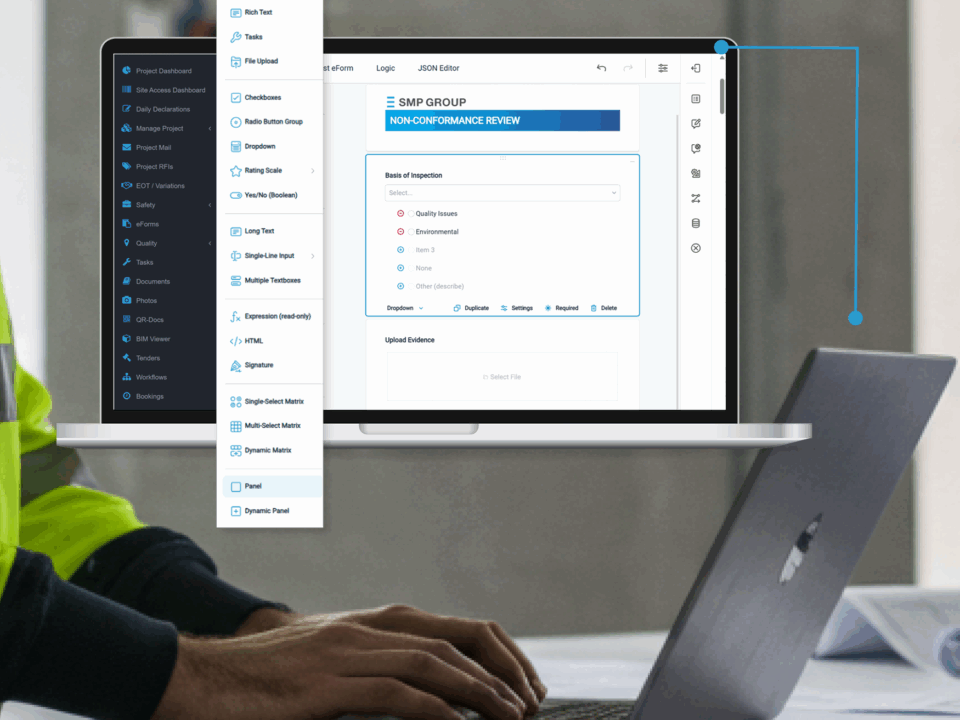
Image of a construction worker on a laptop with an overlay of Simpel's new eForm builder

eForms 2.0 Is Here: Built on Your Processes, Not Ours

Electronic Forms are the lifeblood of operations every construction project, yet most systems still treat them as static paperwork. Simpel’s latest eForm upgrades ensure every form becomes a live, trackable workflow.
Share
Simpel Construction software

One operational platform for the construction industry
Designed for construction projects of all types, stages and sizes; Simpel is driving digital transformation and delivering a new era in construction technology

ABN 27 624 797 539
© 2026 Project Simpel Pty Ltd

  • LinkedIn
  • Facebook
  • Instagram

PLATFORM
Platform Overview
Simpel Essentials
Quality Management
HSE Management
Site Access
Bookings & Warehousing
Reporting & Analytics

CLIENT TYPE
REITS & Developers
Contractors
Subcontractors

SALES & CORPORATE ENQUIRIES
+61 2 9222 4222
[email protected]

NATIONAL HELP DESK
1300 85 85 80
[email protected]

SUPPORT
Login to Simpel
Reset your password
Create a new user account
Privacy & Data Protection
Vulnerability Disclosure

OFFICE LOCATIONS
NSW
Level 2, 44 Pitt Street
SYDNEY NSW 2000
ACT
Suite 3.02, 33 Allara Street
CANBERRA ACT 2601
WA
Dexus Place
Level 16, 240 St Georges Terrace
PERTH WA 6000
LONDON
Scott House
Suite 1 The Concourse
Waterloo Station
LONDON, SE1 7LY